
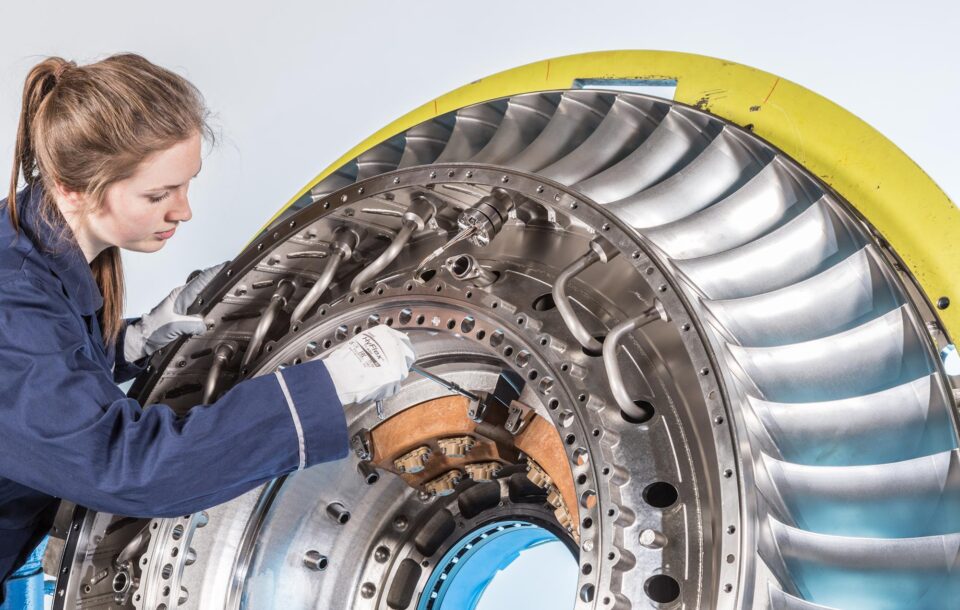
Aviation industry, always a hot topic as it continuously looks for opportunities to enhance on efficiency, enhanced safety, and better performance. Aircraft manufacturers are continually testing new materials and production processes to build better planes. Additive manufacturing is one such technology now disrupting the industry.
The 3D printing in aviation field now enables engineers to create lighter components, saves time on the manufacturing floor, and decreases production costs. What was once thought of as experimental tech has now become a practical answer to the development of modern aircraft.
What is 3D Printing in Aviation?
Essentially, 3D printing − or additive manufacturing − makes things in layers from digital templates. Rather than removing material, the printer deposits a component in layers from metal powders, polymers, or composites.
3D printing in aviation is being used to manufacture complex parts that would be difficult or costly to produce by traditional means within the aerospace industry.
That, in turn, enables engineers to design parts that are stronger, lighter, and more efficient.
Why the Aviation Sector Is Embracing This Technology?
Precision, durability, and stringent quality standards are key requirements for aircraft production. In traditional manufacturing, there are dozens of steps and multiple suppliers. Aerospace 3D printing helps streamline this process by enabling the use of digital models to manufacture parts.
There are a number of factors driving this increased adoption:
- Reduced material waste
- Faster production cycles
- Lightweight aircraft components
- Greater design flexibility
- Lower manufacturing costs
Due to these benefits, aviation 3D printing is now a vital component of contemporary aircraft manufacturing strategies.
Faster Innovation in Aircraft Design
Rapid prototyping is one of the most significant benefits of 3D printing in aviation. Engineers can quickly test new designs without creating expensive molds or tooling.
This allows manufacturers to:
- Test ideas faster
- Improve part performance
- Reduce development time
- Accelerate product innovation
The positive disruptive force of 3D printing in the aviation world opens up a whole new realm of artistic freedom that gives design teams and extends aircraft engineering to explore innovations.
Maintenance and Spare Parts Are Changing, Too
While additive manufacturing is making new aircraft like the one that will debut today, it also enables maintenance operations.
Airlines can experience delays waiting for replacement parts. One such example is in 3D printing for aerospace, where local production can occur given the right spare parts are produced on site or otherwise on-demand.
That reduces downtime and keeps aircraft in service longer. And it also streamlines supply chains that used to depend on sending parts around the globe.
Challenges the Industry Still Faces
Making 3D printing work in aviation is no small task as it has to adhere to stringent safety and regulatory standards but the advantages are considerable.
Manufacturers need to verify that printed components:
- Maintain structural strength
- Meet certification requirements
- Perform reliably under extreme conditions
Testing and certification processes are still necessary before printed parts can find widespread use in commercial aircraft.
Final Thoughts
The future of air travel is still being shaped by innovation. Now technologies that once seemed experimental are emerging as essential tools for aircraft makers.
Aerospace 3D printing: how the technology is making the industry more intelligent, less wasteful, and hastening innovation. With further improvement in the materials and printing technologies, this approach is likely to become even more mainstream in how aircraft are built and serviced.
Additive manufacturing is not a passing fad for the aviation industry − it means less weight and, therefore, more fuel-efficient design choices.
