
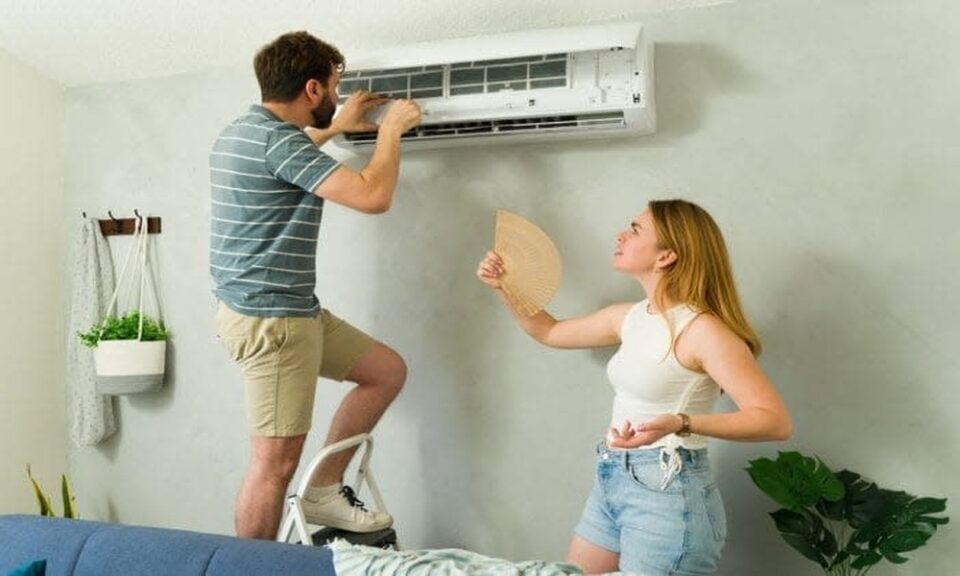
When your home suddenly feels too hot in summer or too cold in winter, it can quickly turn stressful. HVAC problems often show up without warning, but in many cases, the signs start small. Understanding what’s going wrong-and when to act-can save you time, money, and unnecessary discomfort.
Whether your system is making strange noises, failing to cool properly, or cycling on and off too often, this guide walks you through the most common HVAC issues and what you can do about them before calling in a professional.
Understanding How Your HVAC System Works
Your HVAC system is responsible for maintaining indoor comfort by controlling temperature, airflow, and air quality. It includes components like the thermostat, furnace, air conditioner, ductwork, and filters-all working together.
When one part fails or becomes inefficient, it can impact the entire system. Even something as simple as a clogged filter can reduce airflow and force your unit to work harder, increasing wear and tear.
Key Components That Commonly Fail
Thermostats can lose calibration or malfunction, leading to incorrect temperature readings. Air filters often get clogged, restricting airflow. Compressors, which are essential for cooling, may wear out over time. Ductwork can develop leaks, reducing efficiency and causing uneven temperatures across rooms.
Most Common HVAC Problems Homeowners Face
Many HVAC issues are more common than you might think. One of the biggest complaints is an air conditioner that runs but doesn’t cool effectively. This could be due to low refrigerant levels or dirty coils.
Uneven temperatures are another frequent issue, where some rooms feel comfortable while others remain too warm or too cold. Strange noises like banging, rattling, or squealing can indicate loose or worn components.
You might also notice your system turning on and off frequently. This short cycling can strain the system and increase energy costs while failing to maintain consistent comfort.
Quick Troubleshooting Steps You Can Try First
Before assuming the worst, there are a few simple checks you can perform that often resolve minor HVAC problems.
Start by checking your thermostat settings. Make sure it’s set to the correct mode and temperature. Next, inspect your air filters. If they look dirty, replacing them can immediately improve airflow and system efficiency.
Check your circuit breakers to ensure the system hasn’t tripped. Also, walk through your home and confirm that vents are open and not blocked by furniture or debris.
These small steps can often restore functionality without requiring professional intervention.
Warning Signs You Shouldn’t Ignore
Some HVAC issues may seem minor at first but can quickly escalate into costly repairs if left unattended.
A sudden spike in your energy bills often indicates your system is working harder than it should. Weak airflow can signal blockages or failing components. Unusual smells-especially burning or musty odors-may point to electrical issues or mold in the system.
Frequent repairs are another clear warning sign. If you’re calling for fixes multiple times a year, it’s likely time for a more thorough inspection or upgrade-consulting an experienced HVAC contractor in Beloit, WI can help you decide the best course of action.
When to Call a Professional HVAC Technician
While basic troubleshooting can solve minor issues, some problems require expert attention. Electrical faults, refrigerant leaks, and internal component failures are not safe or practical to handle on your own.
When your system stops working entirely or continues to perform poorly despite your efforts, it’s best to contact a qualified HVAC contractor in Beloit, WI who can diagnose the root cause accurately.
Professionals have the tools and experience to identify hidden issues that may not be visible to homeowners. Addressing these problems early can prevent more expensive repairs or even full system replacement.
How Regular Maintenance Prevents Costly Repairs
Preventive maintenance is one of the most effective ways to avoid unexpected HVAC breakdowns. Routine inspections ensure that all components are functioning correctly and efficiently.
Regular filter replacements, coil cleaning, and system checks can extend the lifespan of your HVAC unit. Maintenance also helps improve energy efficiency, reducing your monthly utility bills.
Scheduling seasonal tune-ups-before summer and winter-ensures your system is ready to handle peak demand without issues.
Choosing the Right HVAC Professional for Your Home
Not all HVAC technicians offer the same level of expertise. Choosing the right professional can make a significant difference in the quality and longevity of your system.
Look for licensed and certified technicians with experience in handling a variety of HVAC systems. Local knowledge is also valuable, as climate conditions can affect system performance.
If you’re dealing with recurring problems, working with a reliable HVAC contractor in Beloit, WI ensures you receive consistent service and long-term solutions tailored to your home’s needs.
Final Thoughts
HVAC problems can be frustrating, but they rarely appear without warning. By understanding how your system works and recognizing early signs of trouble, you can take action before small issues become major repairs.
