
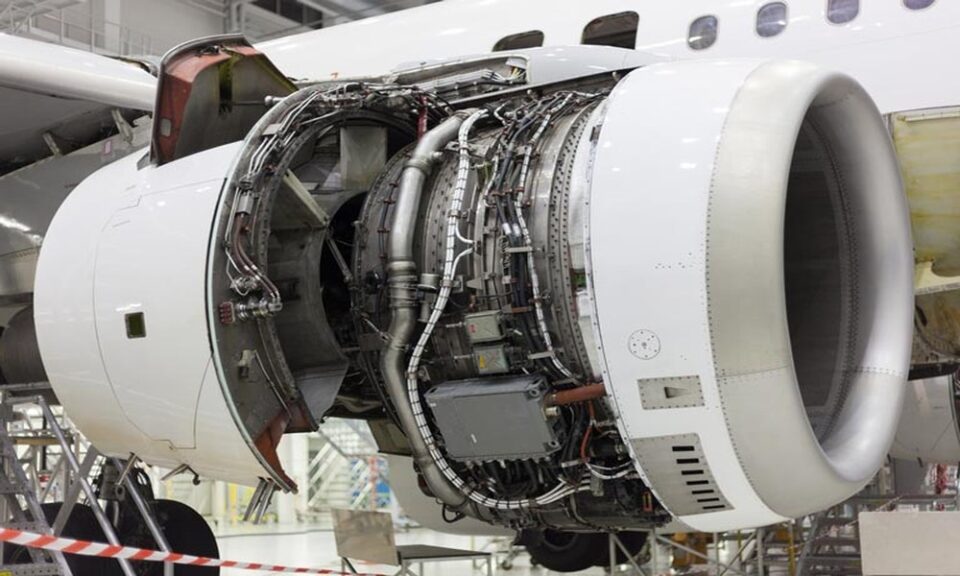
These days when an airliner takes off or lands, the vast majority of its passengers will be watching either the engines or the wings. However, buried under the surface is one of the airliners most critical − the aircraft hydraulic system.
It is this system which supplies the force required to drive essential aircraft components to their operational locations. Without it, the airline industry would be incredibly complicated and possibly unmanageable.
The aircraft hydraulic system is of key importance in the aircraft from brakes to landing gear.
Aircraft Hydraulic System: What is It?
Aircraft hydraulic system uses pressurized liquid to generate mechanical force. Hydraulics permits aircraft to adjust major elements with exceptional precision as an alternative to being at the mercy of either electrical power or skilled work.
Hydraulic systems are widely used for powering modern airplanes as they are reliable, efficient, and require less maintenance.
The system typically includes:
- Hydraulic pumps
- Fluid reservoirs
- Valves
- Pipes and hoses
- Actuators
These components work together to deliver pressure around the flight.
Importance of Hydraulic Systems in Aviation
There are many heavy inertia parts on an airplane that need a high & controlled force which can’t be generated by traditional methods. Available up to Jet-A/Jet-B fuel freezing point (-70 degrees Fahrenheit), pilot skill is a factor in conducting these operations, and the aircraft hydraulic system assists pilots with these operations.
These hydraulic powered functions are few of the prime ones:
Landing Gear Operation
Hydraulics provides smooth extension/retraction of the landing gears during takeoff and landing.
Flight Control Surfaces
Of course, motion and stabilization devices such as flaps, rudders, spoilers, and ailerons are often hydraulically controlled.
Aircraft Braking Systems
Hydraulic brakes give you the stopping power once you’ve landed.
As is the case with the control of an aircraft, a reliable hydraulic system makes it all much easier.
How the System Works?
The hydraulic system of an aircraft fundamentally is straightforward. A pump presses hydraulic fluid under pressure. The pressure flows in tubes and presses on mechanical components.
Hydraulic fluid transfers force extremely well because it is difficult to compress. This allows pilots to stay within their limited movements to control massive systems.
Permitting smooth, perfect operation of the aircraft even within the harshest envelope.
Common Challenges and Maintenance Needs
Like any aviation system, hydraulic systems require routine maintenance and inspection.
Common issues may include:
- Fluid leaks
- Pressure loss
- Worn seals
- Contaminated hydraulic fluid
Maintenance teams conduct thorough checks of the hydraulic systems in aircraft ensuring that they do not become hazardous.
Routine checks help improve:
- Flight safety
- System reliability
- Aircraft performance
- Equipment lifespan
This sort of preventive maintenance is crucial in commercial and military aviation.
Modern Advancements in Hydraulic Technology
Aviation technology is still on the way and hydraulic systems are becoming a smarter and efficient system.
Manufacturers now focus on:
In fact, several newer aircraft merge hydraulic and electronic technology to enhance performance.
These innovations enhanced the operation of modern aircrafts more safely and effectively from the past.
Final Thoughts
The aircraft hydraulic system is one of the industries’ best kept secrets that keeps aviation going. It powers essential aircraft systems that most passengers are unaware of but every pilot works with every day.
Hydraulic technology still plays an integral role in a lot of the components used for air travel today; controlling flight surfaces, landing gear, etc. Hydraulic systems will remain an essential part of the future of aviation safety and performance as aircraft design continues to progress.
