
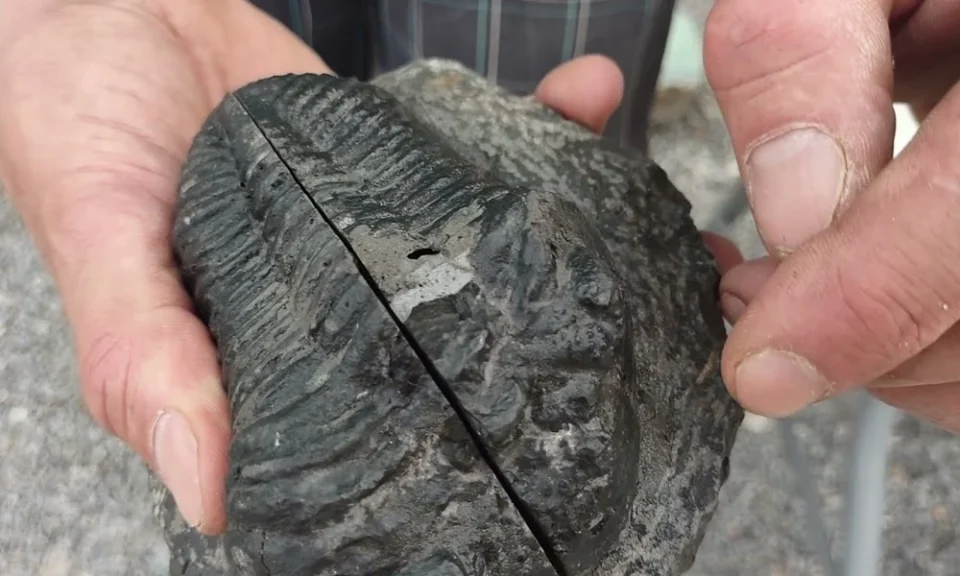
Identifying genuine fossils is one of the most important skills a collector can develop, and also one of the most difficult to acquire without hands-on experience. The market for fossil material includes genuine specimens, cast reproductions, heavily restored composites, and outright fakes – sometimes all at comparable price points. Learning to distinguish authentic material from misrepresented pieces protects both the financial investment in a collection and the integrity of the collection itself as a meaningful natural history record.
Physical Characteristics of Genuine Fossils
Mainly, what makes fossils genuine is physical characteristics that reflect their geological history in ways that reproductions cannot fully replicate. The weight of authentic mineralized bone or tooth material differs noticeably from resin casts, which are consistently lighter for equivalent size. Surface texture on genuine specimens shows the fine-scale detail of natural fossilization that cast surfaces approximate at best. The interface between specimen and matrix in genuine field-collected pieces shows natural weathering and integration that differs from the clean separations common in composites.
Using Light to Reveal Restoration
Ultraviolet light is among the most practical tools available for assessing fossil restoration. Modern repair compounds, paint used to mask restoration work, and cast material fluoresce under UV illumination in ways that natural fossil material typically does not. Running a UV lamp systematically across a specimen reveals areas of intervention that are invisible under normal light, including filled cracks, painted-over matrix removal, and replaced surface areas.
Evaluating Provenance and Documentation
Documentation provides a layer of authenticity assurance that physical examination alone cannot always supply. A fossil with a documented collection history – field notes, photographs from the original excavation, dealer invoices with species and location data, or publication references – has an established identity that is difficult to fabricate comprehensively. Sellers who cannot provide any documentation for significant specimens and who deflect specific questions about collection origin give buyers no basis for confidence in authenticity.
Comparing Against Known Authentic Examples
The most effective calibration tool for fossil authentication is extensive exposure to known genuine material. Handling many authenticated specimens through museum study collections, reputable dealer inventories, and collector society meetings builds the tactile and visual recognition that enables accurate assessment of unfamiliar pieces. Published reference materials with high-resolution photography of type specimens and well-documented collection examples provide comparison standards for species-specific features. Collectors who have handled a hundred genuine examples of a specimen type recognize departure from authentic characteristics quickly and reliably.
Seeking Expert Opinion on Significant Purchases
For any acquisition that represents a meaningful financial commitment, independent expert opinion provides assurance that a buyer’s own developing knowledge may not yet deliver reliably. Paleontologists, experienced dealers specializing in the relevant category, and recognized authentication services can assess specific pieces and provide written opinions that document their findings. The cost of expert authentication is a small fraction of any significant purchase and provides protection against the most expensive mistake in collecting – acquiring a misrepresented piece at genuine prices. Most sellers of truly authentic material welcome independent assessment.
Conclusion
Identifying genuine fossils requires developing physical recognition skills, using appropriate tools, demanding documentation, building comparison experience, and consulting experts for significant acquisitions. Collectors who practice these habits consistently make fewer errors and build collections of greater integrity and lasting value.