
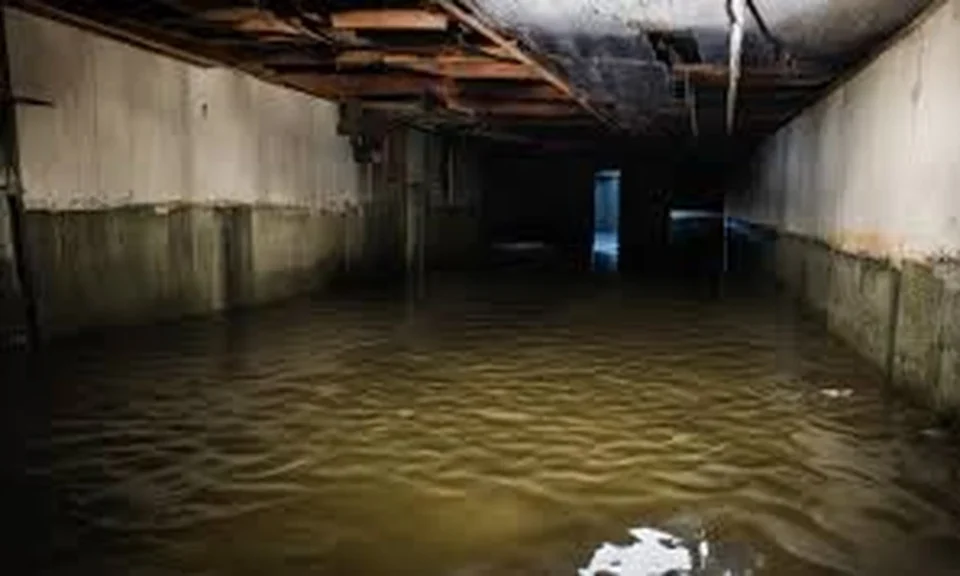
The Hidden Timeline Behind Basement Flooding Damage
Water that pools in a basement starts causing structural and biological problems within hours, not days. Drywall begins absorbing moisture almost immediately, wicking it upward into framing and insulation where it becomes difficult to detect without specialized tools. Many homeowners assume they have a few days to deal with the mess, so they mop up visible puddles and open a window, believing the job is finished. That assumption is exactly what turns a manageable cleanup into a much larger repair bill.
Mold spores need surprisingly little time to establish a colony once moisture and organic material are both present. In a basement, those conditions are often already there, given the cardboard boxes, wood shelving, and carpeted flooring commonly stored in these spaces. By the time a musty odor becomes noticeable, colonization has frequently been underway for several days already. The delay between flooding and visible mold growth is part of what makes basement water damage so deceptive, because the worst effects are the ones you can’t immediately see.
Temperature and humidity inside a closed-up basement accelerate this process even further. Warm, stagnant air traps moisture against walls and flooring, creating a microclimate that speeds up decay in wood and corrosion in metal fixtures like furnace components or water heater housings. Electrical systems near the flood line also carry risk that isn’t always obvious during a quick visual inspection. Outlets, wiring, and appliance connections that sat underwater can develop problems that don’t show up until weeks later, long after the carpet has been pulled up and the space looks presentable again.
What Separates Effective Water Removal From Surface-Level Drying
Removing standing water is only the first step, and it’s often the step people overestimate in importance while underestimating everything that follows. A wet vacuum or sump pump can clear visible water in an afternoon, but the materials underneath, subfloor, baseboards, wall cavities, often retain moisture for weeks without proper equipment. Industrial dehumidifiers and air movers are used specifically because they pull moisture out of materials, not just off surfaces. Without that step, water trapped inside porous materials keeps feeding mold growth long after the floor looks dry.
Moisture mapping is another piece of the process that homeowners rarely know to ask about. Technicians use meters to measure moisture content inside walls and flooring, building a record of where water traveled and how deep it penetrated. This matters because floodwater doesn’t always follow visible paths. It can travel sideways through wall cavities or upward through capillary action in concrete, affecting areas several feet from where the water first entered.
Sanitizing surfaces after drying addresses a separate concern from the drying itself. Floodwater, particularly from groundwater intrusion or sewage backup, often carries contaminants that drying alone won’t neutralize. A thorough process includes antimicrobial treatment on affected surfaces, which reduces the risk of bacterial growth even after the space looks and feels dry again. Some materials, including certain types of insulation and soaked carpet padding, simply cannot be sanitized adequately and need to be removed rather than treated in place.
Questions Worth Asking Before You Hire Anyone for the Job
Response time should be one of the first things you ask about when evaluating help for a flooded basement. Every hour water sits increases the likelihood of secondary damage, so a company that can arrive within hours has a meaningful advantage over one that schedules appointments days out. Ask directly how quickly a crew can be on site, and treat vague answers as a warning sign rather than a minor detail. For flooded basement cleanup, response speed combined with proper equipment usually determines whether belongings and structural materials can be saved at all.
Documentation matters more than most people expect going into the process, particularly if an insurance claim is involved. A reputable company photographs damage, records moisture readings, and keeps a written log of equipment placement and drying progress. This paperwork becomes valuable later, both for insurance purposes and for your own understanding of what was affected and how the problem was resolved. Companies that skip this step often leave homeowners with gaps in their claim that are difficult to fill in retroactively.
It also helps to ask what happens after the visible water is gone and the equipment has been removed. Some companies consider the job complete once drying equipment comes out, while others schedule a follow-up moisture check days later to confirm materials have fully stabilized. That follow-up step catches problems that wouldn’t surface until much later, when a wall that felt dry to the touch turns out to have retained moisture deep inside the framing. Asking about this upfront tells you a lot about how a company defines a finished job.
Pricing structure is worth clarifying before any work begins, since water damage estimates can shift once walls are opened and hidden damage is found. A clear explanation of how additional costs get approved, and who signs off on them, prevents disputes later in the process. Homeowners who ask these questions upfront tend to end up with fewer surprises on the final invoice and a better sense of what the repair actually involved from start to finish.
