
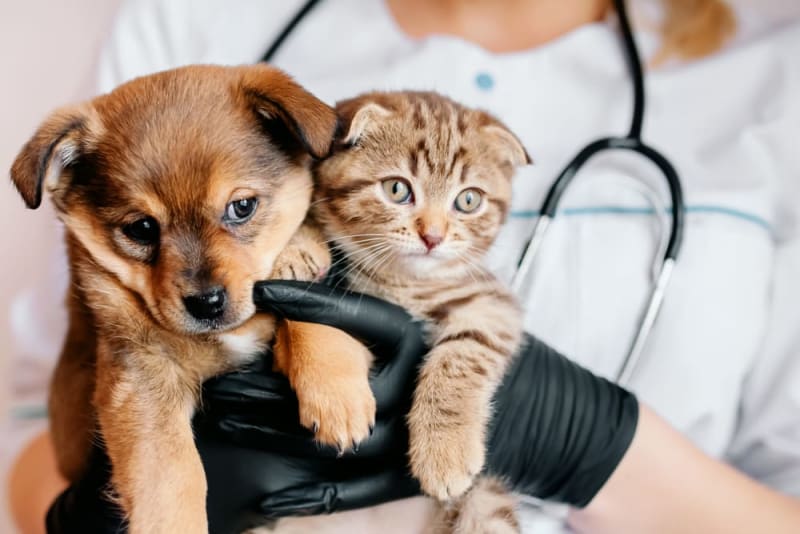
Vaccinations are a critical component of maintaining your pet’s health and preventing serious illnesses. Just as humans receive vaccines to protect against diseases, dogs and cats require regular immunizations to guard against infections that can be life-threatening or cause long-term health complications. Many pet owners underestimate the importance of vaccinations, but keeping pets up to date is essential for their safety and the safety of other animals in the community.
Why Vaccinations Matter
Vaccines stimulate the immune system to recognize and fight specific diseases before they cause illness. Without immunization, pets are at higher risk for infections that can spread quickly, especially in environments with multiple animals, such as dog parks, boarding facilities, or shelters. Key benefits of vaccinating your pets include:
- Disease Prevention: Protects against rabies, distemper, parvovirus, and feline leukemia
- Community Safety: Reduces the risk of spreading contagious diseases to other animals
- Reduced Healthcare Costs: Prevents costly treatments for preventable illnesses
- Longer Lifespan: Healthy, vaccinated pets are less likely to succumb to infectious diseases
- Peace of Mind: Ensures that pets are safeguarded against serious health risks
Regular vaccinations form the foundation of preventive care and help maintain overall wellness throughout a pet’s life.
Core Vaccinations for Dogs and Cats
Veterinarians typically recommend a combination of core and non-core vaccines, depending on your pet’s lifestyle, age, and health status.
Dogs
- Rabies: Required by law in many regions; protects against a fatal viral disease
- Distemper: Prevents a serious viral infection that affects the respiratory, gastrointestinal, and nervous systems
- Parvovirus: Protects against a highly contagious virus that can cause severe gastrointestinal illness
- Adenovirus (Hepatitis): Prevents liver infection and associated complications
Cats
- Rabies: Protects against a fatal viral infection that can affect both pets and humans
- Feline Viral Rhinotracheitis (FVR) / Calicivirus / Panleukopenia: Often administered as a combination vaccine, these protect against common and potentially fatal feline diseases
- Feline Leukemia (FeLV): Recommended for cats that go outdoors or have contact with other cats; protects against a virus that suppresses the immune system
Non-core vaccines may also be recommended depending on risk factors, such as Bordetella (kennel cough) for dogs frequently in boarding or daycare facilities.
Timing and Frequency of Vaccinations
Puppies and kittens receive a series of vaccinations during their early months to build immunity, typically starting at six to eight weeks of age and continuing until sixteen weeks. Adult pets require booster shots at intervals determined by the vaccine type and their veterinarian’s recommendation. Key considerations include:
- Puppy/Kitten Series: Builds strong immunity early in life
- Booster Shots: Maintains long-term protection against diseases
- Annual Checkups: Allows veterinarians to update vaccines and monitor overall health
Consistency in vaccination schedules ensures pets remain protected throughout their lives.
Benefits Beyond Disease Prevention
Vaccines provide additional benefits beyond directly preventing illness:
- Stronger Immune System: Helps pets respond better to infections
- Early Health Monitoring: Routine vaccination visits allow veterinarians to assess weight, dental health, and behavior
- Travel and Boarding Compliance: Many facilities require proof of vaccination for safety
- Community Responsibility: Prevents outbreaks that can affect other pets in shelters, parks, or daycare centers
By staying current with vaccinations, pet owners play a vital role in safeguarding public health and their pet’s well-being.
Common Concerns About Vaccinations
Some pet owners worry about side effects or potential reactions. Most pets experience minor, temporary effects such as mild soreness, fatigue, or decreased appetite. Serious reactions are rare, and veterinarians can provide guidance to minimize risks. Key considerations include:
- Discuss Health Conditions: Inform your veterinarian of allergies, chronic illnesses, or previous reactions
- Monitor After Vaccination: Watch for unusual behavior or prolonged discomfort
- Follow Professional Advice: Vaccination schedules are customized for safety and efficacy
With professional oversight, vaccines are safe, effective, and essential for preventive care.
Choosing a Trusted Veterinary Partner
Regular vaccinations should be part of a comprehensive wellness plan at a reliable veterinary clinic. When selecting a clinic, consider:
- Experienced Veterinarians: Skilled professionals who understand vaccine protocols
- Comprehensive Services: Including exams, diagnostics, dental care, and emergency support
- Personalized Care: Schedules tailored to your pet’s age, breed, and lifestyle
- Education and Guidance: Clear communication about risks, benefits, and preventive care strategies
Building a long-term relationship with a trusted veterinary clinic ensures that pets receive consistent, high-quality care throughout their lives.
Conclusion
Vaccinations are essential for preventing serious diseases, protecting pets and their communities, and promoting overall wellness. Routine immunizations, combined with regular veterinary visits, help maintain healthy, active, and happy pets. For pet owners looking for a dedicated partner in preventive care and vaccinations, professional services at Douglas Animal Hospital provide expert guidance, personalized vaccination plans, and comprehensive veterinary care to ensure pets thrive throughout their lives.
