
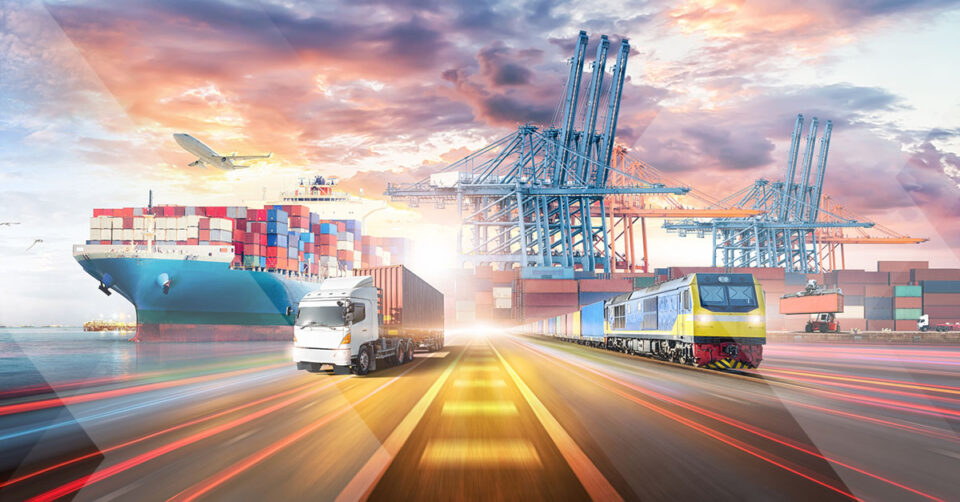
Delivery consistency decides which businesses keep customers and which watch them leave. transportify maintains consistent delivery quality using optimized transport systems. Companies handling deliveries themselves frequently battle unpredictable performance. Trucks break down, drivers call in sick, routes fall apart, and service becomes erratic in ways that wreck customer confidence. Specialised logistics firms eliminate these consistency problems through backup systems, trained staff, and operational methods built over years that individual companies cannot afford to develop alone.
Redundancy prevents disruptions
Having just one delivery truck spells disaster when it breaks. Everything stops. Logistics businesses run fleets where losing one vehicle barely matters because others pick up the slack. Multiple drivers, spare trucks, and backup gear keep deliveries moving despite mechanical trouble or staff calling out sick. Building this redundancy costs too much for most companies shipping their own products, but logistics providers split these expenses across many clients paying for services simultaneously.
Bad weather that would shut down company-owned delivery operations hardly fazes professional logistics networks. Flooding hits one area? Routes get shifted through regions that aren’t underwater, using different warehouses and vehicle groups stationed there. Providers operating from numerous locations can move operations around when disasters, labor strikes, or infrastructure collapses hit particular spots. Companies stuck with single warehouses or small truck fleets don’t have these options, leaving their delivery reliability exposed to whatever goes wrong.
Standardized procedures maintain quality
Delivery inconsistency usually comes from nobody establishing clear rules. Drivers doing things their own way create wildly different customer experiences. One might phone ahead before showing up, while another dumps boxes at doors and leaves. Professional logistics operations force uniform procedures on everyone through organized training and active supervision.
Packages get handled following written instructions, so items receive identical treatment no matter whose hands touch them. Loading rules prevent damage from careless securing. Delivery confirmation steps guarantee proof gets collected every time instead of depending on whether individual drivers feel like doing it. Customer interaction rules ensure polite professional behaviour, whether it’s someone’s first delivery or their thousandth from the same company. These uniform methods eliminate the randomness plaguing amateur operations, where quality swings wildly depending on which driver shows up or what mood they’re in that day.
Performance monitoring drives improvement
Maintaining consistency requires actually measuring how operations perform against goals. Logistics businesses track on-time percentages, how often packages get damaged, customer complaints, and dozens of other numbers showing where things work well or fail. This information spots problems needing fixes before they spread into major patterns affecting lots of customers.
Routes running late consistently get examined for root causes. Traffic changed, or stops need reordering for better flow. Drivers damaging cargo more than average receive extra training or tighter supervision. Warehouses that make frequent picking mistakes add more quality checks. Without measuring performance systematically, problems continue unnoticed until enough customer complaints force frantic responses. Monitoring enables corrections before service quality drops enough that customers actually notice and start complaining.
Logistics providers keep deliveries consistent through systems, procedures, and knowledge that most companies cannot build themselves at costs that make any business sense. Backup infrastructure, uniform methods, and experienced workers combine to produce reliable shipping that satisfies customers enough that they keep coming back instead of trying competitors.
